

DBT Bureau
Pune, 4 June 2026
Global commodity markets remained volatile amid renewed geopolitical tensions in the Middle East, supply concerns in the energy sector, and mixed developments across precious and industrial metals. While crude oil prices advanced on fears of supply disruptions, China reported higher aluminium production, highlighting continued strength in industrial activity.
• Gold prices slipped as renewed hostilities in the Middle East pushed crude higher, raising inflation fears. The U.S. military reported that Iranian missile attacks targeting Bahrain, Kuwait, and other locations in the region were either intercepted or unsuccessful, while diplomatic efforts between the U.S. and Iran stalled.
• The proposed U.S.–Iran agreement to extend the ceasefire and resume shipping through the Strait of Hormuz has yet to be finalized. Its prospects are now increasingly uncertain, as renewed hostilities in the region have cast doubt over the likelihood of its realization.
• Federal Reserve Chairman Kevin Warsh, in his opening message, emphasized maintaining the Fed’s core traditions while signaling a willingness to review and potentially change certain policies during his four-year term.
• India has tightened restrictions on silver imports by adding grain and powder forms to the list of restricted categories and mandating prior valid import authorization, as the world’s largest consumer of the metal seeks to curb shipments and ease pressure on the rupee.
• Crude oil prices climbed as renewed hostilities in the Middle East raised concerns over prolonged supply disruptions.
• The International Energy Agency said global oil supply is expected to fall short of demand this year, as the Iran conflict disrupts Middle East production and tightens market balances.
• Indian refiners turned to imports from Latin America and Africa after supplies from the Middle East were disrupted.
• Copper output at Chile’s state-owned Codelco declined 9.98% year-on-year in March to 110,900 tonnes. Production at Escondida, the world’s largest copper mine, dropped 15.75% to 101,600 tonnes, while Collahuasi, operated by Glencore and Anglo American, saw output fall 10.80% to 31,400 tonnes.
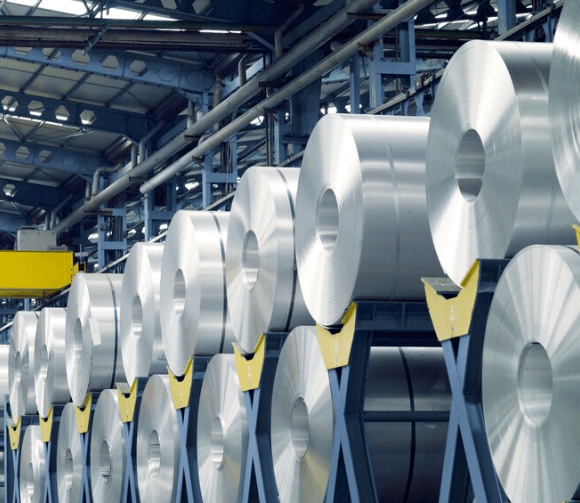
• China’s aluminium output rose 3.1% year-on-year to 3.87 million metric tonnes in April. During the first four months of the year, production reached 15.33 million metric tonnes, up 3.5% from the corresponding period last year.
Disclaimer : Investment in securities & commodities market are subject to market risks, read all the related documents carefully before investing