

DBT Bureau
Pune, 25 Nov 2026
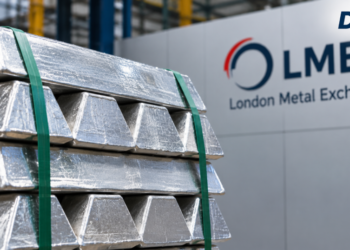
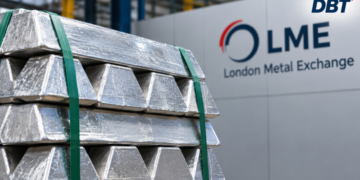
Aluminium prices faced significant supply-side pressure as a sharp decline in London Metal Exchange (LME) inventories triggered a severe market squeeze, pushing immediate delivery premiums to their highest levels in nearly four decades. In response, the LME temporarily tightened its lending rules to limit the influence of large position holders and ease short-term supply constraints. Available aluminium inventories have more than halved this year to 205,300 tons, with stocks consisting almost entirely of Russian metal. The cash aluminium premium over three-month futures reached $405 per ton on Monday, its highest since 1988, before easing to $263 on Tuesday.
Key Highlights
- LME temporarily tightened aluminium lending rules to address an increasingly severe market squeeze.
- Available LME aluminium inventories more than halved this year to 205,300 tons.
- One entity held 50–79% of LME aluminium warrants, highlighting concentrated stock ownership.
- Cash aluminium premiums over three-month futures surged to $405 per ton, the highest since 1988.
- Tom-next spreads jumped to $32 per ton, their highest level since May 2021.
Aluminium markets witnessed significant supply tightness as declining inventories on the London Metal Exchange (LME) intensified pressure on immediate supplies. The cash LME aluminium contract traded at a premium of $263 per ton over three-month futures on Tuesday, after reaching $405 per ton on Monday. The premium marked its highest level since 1988, highlighting the severity of the current supply squeeze and the growing cost of securing nearby metal.
The tightening conditions were primarily driven by a sharp decline in LME inventories, which have more than halved this year to 205,300 tons. The squeeze has been amplified by concentrated stock ownership, with a limited number of market participants controlling a substantial share of available aluminium. According to the latest exchange data, one entity held between 50% and 79% of all LME aluminium warrants, while another controlled between 40% and 49% of warrants and short-term futures positions.
In response, the LME temporarily tightened its lending rules for short-term trades to reduce the potential influence of significant market positions and ease supply pressures. Under the revised rules, large holders of inventories and short-term futures will be required to lend or sell metal to other participants at capped prices. The exchange also announced that the tom-next spread, representing the cost of rolling positions overnight to the cash date, would be closed on Wednesday and reopened on Thursday. The spread had surged to $32 per ton on Tuesday, its highest since May 2021, compared with just $4 a week earlier.
Supply concerns have also been compounded by the composition of available inventories, which consist almost entirely of Russian aluminium. The metal faces restrictions in the US, an impending ban in Europe and reluctance from several Asian manufacturers following Russia’s invasion of Ukraine in 2022.
The LME’s intervention highlights growing concerns over concentrated inventories and immediate supply shortages, while sustained tightness could keep aluminium premiums elevated in the near term.
Source: Kedia Stocks & Commodities Research Pvt. Ltd.