

DBT Bureau
Pune, 26 Oct 2026
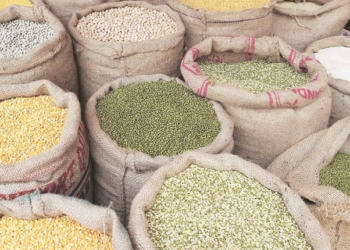
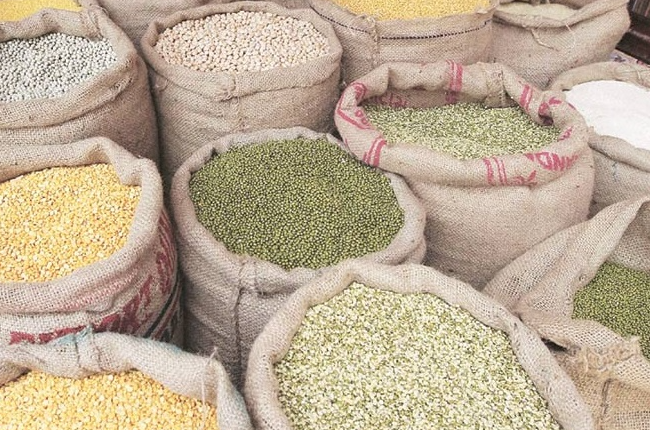
India’s pulse imports rose 67% year-on-year to 2.06 million tonnes during April–August FY27, while import value increased 38% to $1.18 billion. Masur imports surged 200% to 0.64 million tonnes and yellow peas imports climbed 114% to 0.62 million tonnes. Retail prices of tur, gram and urad increased 15%, 7.5% and 10%, respectively, amid supply concerns and El Niño-related weather risks. However, traders expect imports to slow as Canadian yellow pea and lentil prices rise following supply disruptions from Russia. The government is unlikely to reduce import duties, citing global availability and domestic buffer stocks.
Key Highlights
# India’s pulse imports increased 67% to 2.06 million tonnes during April–August FY27.
# Masur imports surged 200% to 0.64 million tonnes, while yellow peas imports rose 114% to 0.62 million tonnes.
# Retail prices of tur, gram and urad rose 15%, 7.5% and 10% year-on-year, respectively.
# Kharif pulse sowing reached 11.84 million hectares, up 1.42% year-on-year despite rainfall concerns.
# Government is unlikely to cut import duties, citing global supply availability and a 4.5-million-tonne buffer stock.
India’s pulse market is witnessing higher import demand and firm retail prices amid concerns over domestic crop output and potential El Niño-related weather risks. Average retail prices of tur, gram and urad reached ₹132.75, ₹93.48 and ₹125.46 per kg, respectively, on Saturday. These prices were up 15%, 7.5% and 10% compared with the previous year, according to the Department of Consumer Affairs’ price monitoring cell.
Higher prices and supply concerns have coincided with a sharp increase in imports. India imported 2.06 million tonnes of pulses during April–August FY27, up 67% year-on-year, while the value of imports rose 38% to $1.18 billion. Masur imports increased 200% to 0.64 million tonnes, and yellow peas imports climbed 114% to 0.62 million tonnes. Tur imports rose 10% to 0.35 million tonnes, whereas urad imports declined 3% to 0.27 million tonnes.
However, traders expect imports to slow in the coming months as Canadian yellow pea and lentil prices have increased following supply disruptions from Russia amid its conflict with Ukraine. The government is also unlikely to reduce import duties, citing adequate global availability and domestic buffer stocks of around 4.5 million tonnes. A 30% duty on yellow peas and a 10% duty on lentils have been extended through the end of FY27.
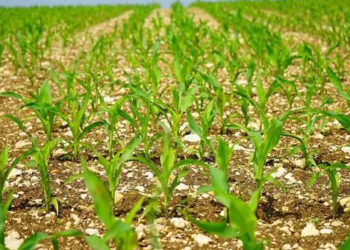
Domestic crop conditions remain a key variable. Kharif pulse sowing reached 11.84 million hectares, up 1.42% year-on-year, although deficient rainfall has affected crops in parts of Maharashtra and Karnataka. Winter rainfall and temperatures will influence chana and masur sowing. India’s pulse imports had fallen 34% to $3.63 billion in FY26 after reaching a record $5.54 billion in FY25.
Rising retail prices and weather uncertainty are supporting import demand, but higher overseas prices, existing duties and ample stocks could moderate purchases in coming months.
Source: Kedia Stocks & Commodities Research Pvt. Ltd.