

DBT Bureau
Pune, 3 March 2026
According to latest Kedia Advisory Crudeoil Report, the global crude oil markets have entered a high-volatility phase following escalating geopolitical tensions around the Strait of Hormuz. Brent crude surged nearly 13% to trade above $82 per barrel at the weekly open, reflecting heightened supply disruption fears. The market is actively pricing in a geopolitical risk premium, with multiple global energy research agencies outlining bullish scenarios under continued disruptions.
Both Brent and WTI currently maintain a bullish bias, driven primarily by supply-side uncertainties rather than demand acceleration.
Geopolitical Trigger: Strait of Hormuz at the Core
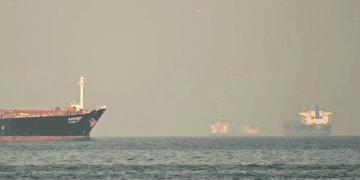
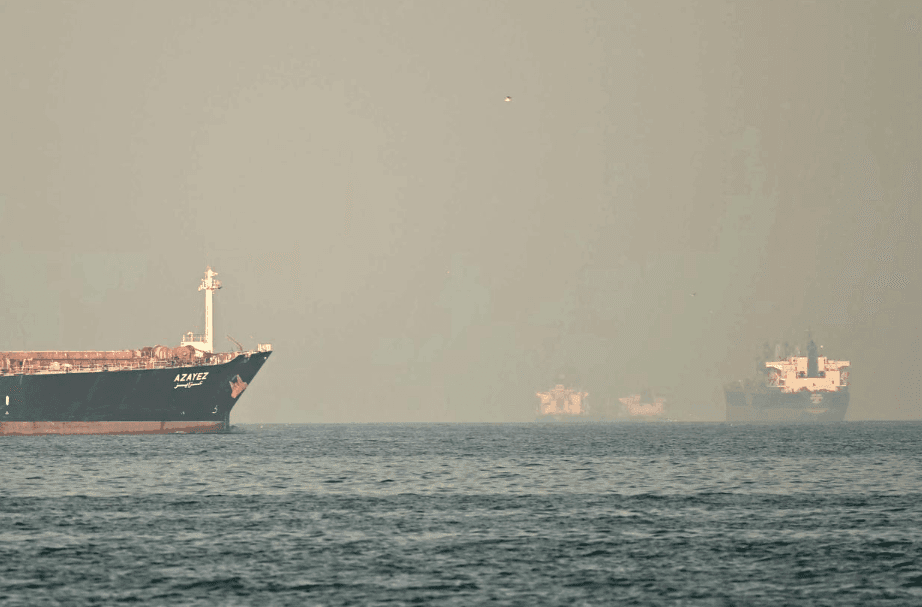
The Strait of Hormuz remains the world’s most critical oil chokepoint, handling nearly one-fifth of global oil shipments.
Even precautionary disruptions—such as insurance premium hikes and tanker rerouting—have materially impacted sentiment.
The current situation is not yet defined by physical supply destruction, but by:
● Elevated war-risk insurance premiums
● Temporary tanker hesitations
● Strategic positioning by Gulf exporters
Should disruptions extend beyond precautionary measures into actual infrastructure damage, supply shock probabilities rise sharply.
Institutional Forecast Scenarios
● Citi – Short-Term Spike, Controlled Resolution
Citi has revised its near-term Brent forecast upward by $15 to $85 per barrel, projecting a trading range of $80–$90 in the immediate term. Their base case assumes geopolitical de-escalation within 1–2 weeks.
However, in an extreme scenario involving infrastructure strikes, Brent could spike toward $120 per barrel, with a 20% probability assigned.
● Rystad Energy – Medium-Term Disruption Risk
Rystad suggests that if Hormuz disruptions persist for days to weeks, Brent could test the $100 mark. Importantly, even additional OPEC+ output would still require transit through the same strait, limiting its ability to stabilize global supply.
● Goldman Sachs – Risk Premium Quantified
Goldman estimates that crude currently embeds an $18 per barrel real-time geopolitical risk premium. Markets are effectively pricing in a potential 2.3 million barrel per day supply reduction sustained for one year.
Beyond crude, refined products face amplified risks:
○ 9% of global diesel shipments transit Hormuz
○ 18% of global jet fuel flows move through the strait
This widens the inflationary implications beyond raw crude alone.
● Wood Mackenzie – Flow Recovery Critical
Wood Mackenzie highlights that if tanker flows are not restored quickly, prices could move decisively above $100 per barrel. However, if Iran cooperates and maritime flows normalize, stabilization could occur within weeks.
OPEC+ Constraints and Structural Limitations
Although OPEC+ retains spare capacity, any incremental production increase must physically pass through Hormuz.Therefore, supply augmentation is structurally constrained under sustained disruption.
If conflict extends beyond three weeks:
● GCC producers may exhaust storage buffers
● Production cuts could follow due to logistical bottlenecks
Thus, OPEC’s theoretical spare capacity becomes ineffective under strait closure scenarios.
Insurance, Policy & Escalation Risks
Current disruptions are largely precautionary, driven by insurance premium surges and coverage cancellations rather than direct military damage.
However, escalation risks remain:
● Potential loss of centralized control over regional military factions
● Increased asymmetric attacks on energy infrastructure
● Expanded maritime security concerns
Technical & Sentiment Outlook
● Risk premium firmly embedded
● Volatility elevated
● Supply-driven rally, not demand-led
● Backwardation likely to widen if physical flows tighten
Both Brent and WTI maintain a bullish undertone as long as tanker traffic uncertainty persists.
Conclusion
Crude oil markets are currently being driven by geopolitical supply risk rather than macroeconomic demand recovery. The Strait of Hormuz remains the fulcrum of global energy stability. While historical geopolitical price spikes tend to be short-lived, the scale of current embedded risk premium suggests that volatility may persist until clear evidence of maritime flow normalization emerges.
For now, the market remains structurally bullish with asymmetric upside risk.