Athira Sethu
Kochi, 10 Mar 2026
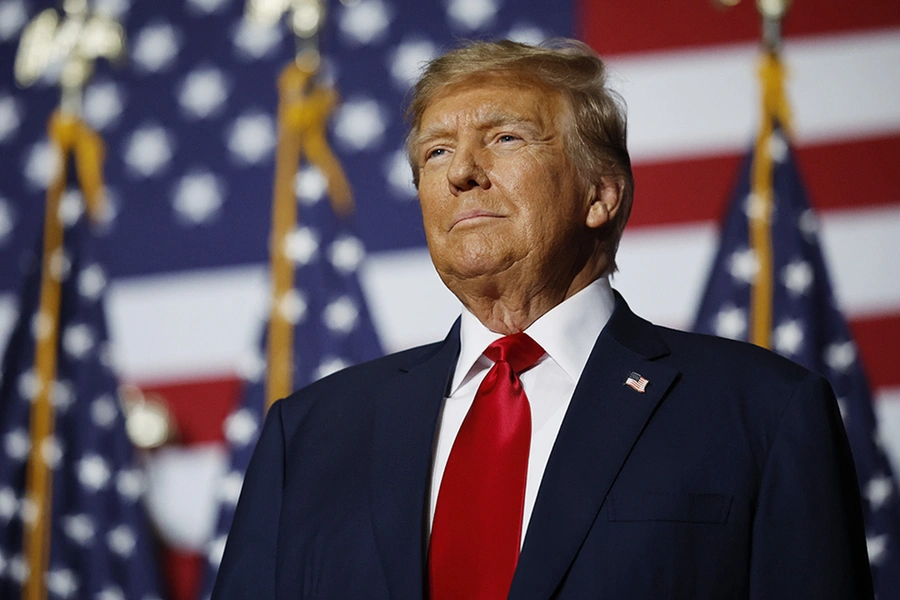
Oil prices have fallen significantly on Tuesday as they recorded the highest level in the last three years the day before. This is because the U.S. President, Donald Trump, stated that the war in the Middle East is about to end. This has led to the reduction of the worries people have about the long-term supply of oil.
Brent crude oil has fallen by almost 11 percent to $88.36 a barrel. In addition, the price of U.S. crude has fallen by more than 10 percent to $85.17 a barrel. This is following the sharp fall in the price of crude oil as it had earlier recorded a brief spike above the $100 level on Monday.
On Monday, the price of crude oil recorded $119.50 for Brent crude and $119.48 for U.S. crude (WTI) oil. This is the highest price recorded since mid-2022. This was caused by the supply cuts initiated by Saudi Arabia and other nations as a result of the war between the U.S. and Israel on one side and Iran on the other. This war was feared to affect the supply of crude oil.
However, oil prices started going down as the Russian President, Vladimir Putin, spoke to Trump and offered a speedy end to the war.
In an interview with CBS, Trump said the war between the US and Iran was almost over and that the US was “very far ahead” in the timeline he had set four to five weeks ago. This helped oil prices stabilize.
However, the Revolutionary Guards in Iran said they would be in control of when the war would end and said they would not allow any oil exports from the region in the event the attacks were not stopped. However, the oil prices were not affected.
Trump is also looking at relaxing sanctions on Russia and releasing oil reserves in order to bring down the oil prices that are going up as a result of the war.
Experts predict that the oil prices are going to be unstable in the coming weeks and are likely to fluctuate between $75 and $105.
Meanwhile, oil-producing countries in the Gulf region, including Iraq, Kuwait, and Saudi Arabia, have begun cutting back on oil production. The cuts in oil production in these countries are aimed at addressing the disruptions in oil production resulting from the conflict. In this regard, Iraq has cut its oil production by 70%, while Saudi Arabia has commenced cutting back on its oil production.
The G7 countries have announced their readiness to act if oil prices continue to rise but have yet to release their emergency oil reserves.