

Athira Sethu
Kochi, 3 March 2026
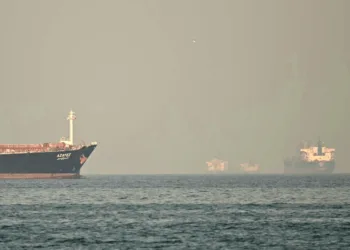
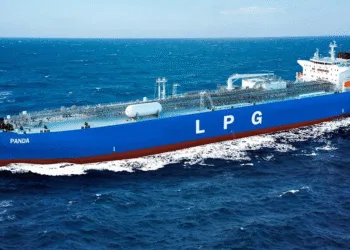
An Iranian Revolutionary Guards official announced on Monday that the Strait of Hormuz is now closed, and Iran will fire on any ship trying to pass through. This is the strongest warning from Iran since it first declared the closure of the key shipping route on Saturday. The closure could block about 20% of global oil supplies, which may cause oil prices to rise sharply.
The Strait of Hormuz is an important passage for oil, linking major oil-producing countries like Saudi Arabia, Iran, Iraq, and the United Arab Emirates to the Gulf of Oman and the Arabian Sea. It is one of the world’s most crucial oil export routes.
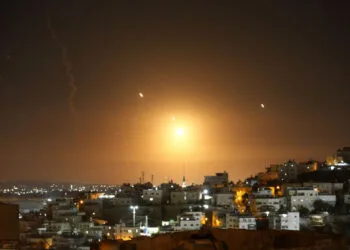
The decision to close the strait came after U.S. and Israeli airstrikes on Iran on February 28, aimed at removing its leadership. In response, Iran launched missile attacks on countries in the Gulf that host U.S. military bases, including Qatar, Kuwait, Bahrain, the UAE, Saudi Arabia, and Oman.
Iran’s action fulfills its long-standing threat to block the strait if the country is attacked. The narrow waterway is only about 33 kilometers (21 miles) wide at its narrowest point, but it handles a significant portion of the world’s oil transport. Around 20% of global oil passes through the Strait of Hormuz every day.
Oil markets are worried about the impact of these rising tensions between Iran, the U.S., and Israel, as a full-scale conflict could disrupt oil supplies and lead to further instability in the region.
This closure also follows earlier disruptions in global shipping, linked to missile and drone attacks by Yemen’s Houthi rebels, who are aligned with Iran. The group has targeted ships in the Red Sea and the Gulf of Aden since the Gaza war began in 2023.