

Athira Sethu
Kochi, 13 may 2026
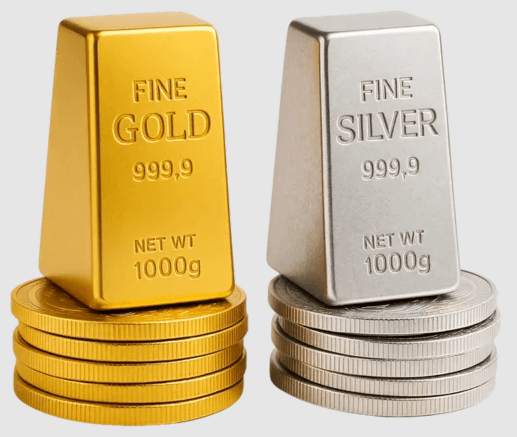
The Indian government has drastically increased the taxes on the importation of gold, silver, and platinum. The reason behind such an action is to protect the Indian economy and preserve the country’s foreign money in times of uncertainty resulting from the ongoing crisis in West Asia.
For example, the import duty rate of gold and silver has been increased from 6 percent to 15 percent, and platinum from 6.4 percent to 15.4 percent. Additionally, there is an increase in the import duties of products made of gold and silver, such as coins and tiny components that make jewelry.
Such a move follows Prime Minister Narendra Modi’s appeal to Indian citizens not to purchase gold for one year to preserve India’s foreign money. India imports practically all its gold needs from other nations; thus, decreasing its gold imports will considerably conserve foreign exchange.
It is important to note that such an act is in line with international issues related to oil and maritime markets. India depends on importing crude oil; hence, any increase in oil prices or disruptions in oil supplies would necessitate India spending more foreign money, leading to an expansion of the current account deficit and inflation rates.
However, according to the government officials, the main aim of imposing higher duties on precious metals is to spend the foreign exchange only on essentials, such as crude oil, fertilizers, raw materials, military hardware, vital technology, and machinery. They help produce goods, create infrastructure, ensure food security, and boost the economic development.
At the same time, gold, silver, and platinum are used mainly for investment purposes. Thus, they have no impact on economic growth but, on the contrary, consume foreign currency. Therefore, a higher import duty is needed to reduce unnecessary expenses without affecting the essential economy.
According to the statements made by the government representatives, the purpose of increasing the tax on precious metals was the reduction of avoidable imports and the relief of burden on India’s foreign currency reserves. They noted that the decision would be balanced since they did not intend to stop importing precious metals. Instead, their price was going to be increased to prevent future negative economic consequences.
According to the government, previously, the import duty on valuable metals was determined based on the economic state of the country. For instance, in the previous fiscal year, the taxes were decreased due to a favorable foreign exchange position for the Indian economy, but currently, the taxes are being increased for the protection of the economy.