

DBT Bureau
Pune, 2nd Oct 2026
India is facing a widening economic pressure from a combination of food, fuel, fertilizer and financial risks, with disruptions in the Strait of Hormuz, elevated crude prices, weak monsoon conditions and a stronger US dollar creating fresh challenges for inflation and corporate earnings, according to Kedia Advisory.
The report said the disruption around Hormuz has become more than an oil-market concern, with around 34% of global urea trade and 49% of internationally traded sulfur exposed to the corridor. Higher gas prices can also raise fertilizer production costs, while global urea prices roughly doubled between January and May 2026. Although India had adequate fertilizer availability for the Kharif season, a prolonged disruption could increase import costs, subsidy requirements and farm input expenses.
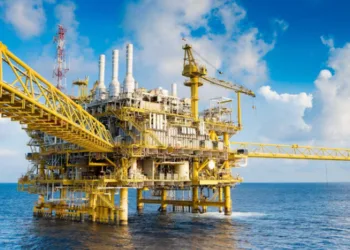
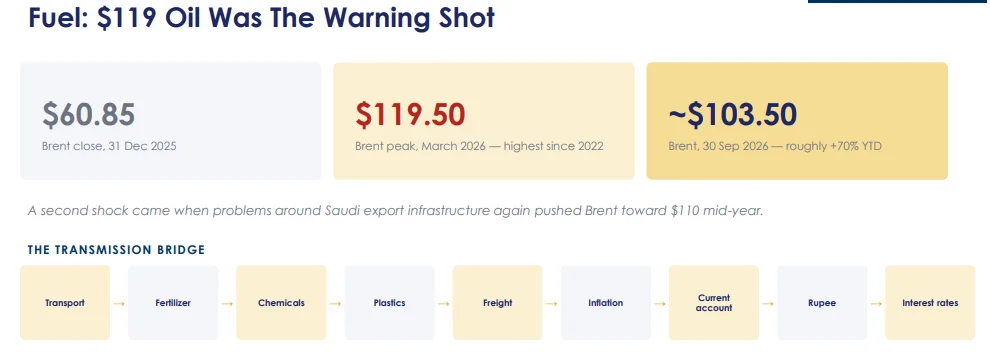
Crude oil remains another major risk. Brent crude surged to $119.50 in March and was around $103.50 on September 30, roughly 70% higher year-to-date. Higher oil prices can increase transportation, chemical and freight costs while adding pressure to inflation, the current account and the rupee.
The weather situation adds another layer of concern. India’s 2026 southwest monsoon ended 12.6% below the long-period average, described as the weakest in more than a decade. Maharashtra has also declared drought in 265 of 358 tehsils, leaving rain-dependent crops such as soybean and tur exposed to weaker soil moisture and uncertain rabi conditions.
Financial conditions are also tightening. The US 10-year Treasury yield remained above 5%, the Dollar Index was around 101 and the rupee touched nearly ₹96.96 against the dollar. Foreign portfolio investors recorded $26.8 billion of equity outflows in 2026 year-to-date, adding pressure to financial markets.
Kedia Advisory said the combined impact could weigh on consumption and corporate earnings as higher import costs, inflation and interest rates reinforce each other. The report highlights crude, monsoon conditions, fertilizer availability, FPI flows and USD/INR as key variables to monitor together.
Disclaimer: Any views, opinions, or investment-related information expressed by contributors on Databiztimes.com are solely their own and should not be construed as investment advice. Readers are advised to consult SEBI-registered or certified financial advisors before making any investment decisions.