


By Sadananda Mohapatra, Senior Business Journalist
Lead Story: Clear Skies, Thin Inventories, and India’s Grid Reality
In late July, The Joule’s Stack warned that while the monsoon arrived, fuel evacuation did not get the memo. Two months later, that structural gap has materialized across the power sector.
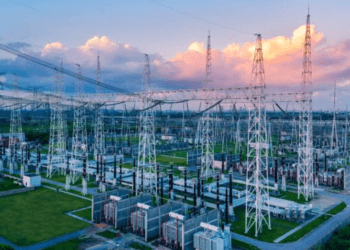
Clear weather is returning to India, lifting peak power demand from 218.8 GW back past 236 GW. With cloud cover breaking and temperatures rising across north and central India, cooling demand is climbing. For energy investors, this operational phase tests structural resilience, rail freight throughput, and grid flexibility during the evening peak.
The pressure sits at the power station gate. Thermal plant inventories stand near 22 million tonnes, representing roughly seven days of generation cover. Between 74 and 82 plants remain on critical fuel alert, carrying less than 25 percent of normative stock.
This condition is an evacuation constraint rather than a resource shortfall. Coal India holds pithead inventories of approximately 76 million tonnes. However, rail loading and rake turnarounds lagged daily burn rates through August and September. Monsoon downpours disrupted mining corridors and rail links across Odisha, Jharkhand, and Chhattisgarh. Muted hydro generation forced coal plants to run at higher Plant Load Factors to sustain base load.
To protect operating margins, the Ministry of Power is evaluating a mandate requiring generators to blend up to 5 percent imported coal. The mechanism was shelved in March 2024. While blending rebuilds physical stock cover, it introduces variable cost exposure. Landed prices for seaborne grades will increase generation tariffs, requiring regulatory pass-through approvals and testing working capital across state discoms.
The structural test remains the evening ramp rate. Solar generation manages peak daytime air conditioning load effectively. When photovoltaic output falls between 6 PM and 10 PM, the system relies on thermal and gas assets to absorb the demand. Night deficits of 6 to 7.7 GW recorded earlier in September reflect this vulnerability.
India has sufficient generation capacity and adequate domestic reserves at the mines. The market constraint is midstream logistics, regional rail freight capacity, and merchant fuel flexibility. The recent rainfall provided a temporary inventory cushion. Performance over the coming week will demonstrate whether logistics throughput can stabilize plant-level stocks, or whether higher-cost fuel blending will be required to maintain grid reliability.
Joules Capsules : Weekly Round-Up
NTPC–EDF Joint Venture
NTPC and EDF Power Solutions India have formed a 50:50 joint venture to develop, own and operate pumped storage, hydropower and other renewable projects. The partnership also covers power distribution. It signals NTPC’s push to add flexible capacity beyond conventional thermal as evening peak stress grows.
Hydro Generation Decline
Hydro generation fell around 12 percent year-on-year in the first three weeks of September. Cumulative output from April to early September was down 10.85 percent. Weak monsoon rains left reservoirs low across key basins, reducing the flexible power India needs when solar fades after 6 pm.
India Energy Week Moves to Kolkata
Petroleum Minister Hardeep Singh Puri and West Bengal Chief Minister Suvendu Adhikari announced that Kolkata will host India Energy Week 2027 from 28 to 31 January. It will be the first edition in eastern India. Theme: Unlocking Innovation. Securing Energy. Shaping Tomorrow. The 2026 Goa edition drew over 75,000 participants.
About the Author:
Sadananda Mohapatra is a veteran business journalist with decades of experience covering India’s emergy, industry, and economic landscape. With stints at reputed financial news publications like The Business Standard & NewsWire18, he reported extensively on India’s power sector, minerals policy, coal and energy regulation, and industrial developments — building a deep, ground-level understanding of the global energy economy. His work spans corporate affairs, infrastructure, and policy analysis, with a particular focus on eastern India’s resource-rich industrial corridor. He currently writes on the global energy landscape through his newsletter, The Joule’s Stack.