


By Sunil Subramaniam, Financial Sector Veteran & Ex-MD of Sundaram Mutual Fund, Chennai
The formal signing of the Memorandum of Understanding (MOU) between the United States and Iran has significantly reshaped the macroeconomic outlook for Indian stock market investors.
By putting an immediate halt to military operations and initiating a 60-day diplomatic roadmap, the agreement systematically dismantles the high-stakes geopolitical risk premium that has weighed heavily on Dalal Street.
The core provisions of the MOU—specifically the immediate reopening of the Strait of Hormuz toll-free and the lifting of the US naval blockade and oil export sanctions on Tehran—directly ease India’s primary external economic vulnerabilities.
1. The Macro Ripple Effect: Rupee and Crude Cooling
The most immediate structural tailwind for Indian equities is the easing of imported inflation:
Crude De-escalation: With the Strait of Hormuz returning to pre-war traffic capacity within 30 days and Iranian oil flowing back into global supply chains under US Treasury waivers, global oil benchmarks have already dropped over 2%. Lower crude prices significantly contain India’s fiscal deficit and corporate input costs.

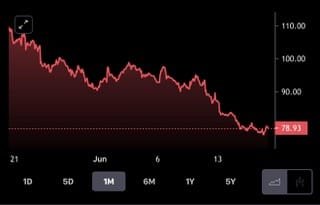
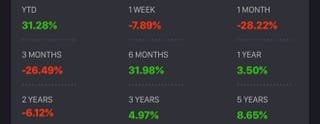
Currency Relief: Driven by the cooling energy outlook, the Indian Rupee has found firm support, strengthening significantly down toward the 94.50 level against the USD. A stabilizing rupee curtails imported inflation and stops the erosion of dollar-denominated returns for foreign funds.
2. Sectoral Winners & Losers on Dalal Street
The de-escalation sets off a dramatic shift in sector dynamics, prompting asset allocation changes across various spaces:
Crude-Sensitives (Paints, Tyre, OMCs):
Margins will expand rapidly as raw material costs (derivatives, rubber, monomers) cool down. Oil Marketing Companies (OMCs) stand to benefit from more predictable, lower under-recoveries.
City Gas & LNG
Easing of global energy supply constraints directly stabilizes spot LNG prices, restoring volume growth and margin predictability for city gas distribution networks.
Commodities (Aluminium, Base Metals)
Base metal stocks may face sharp corrections as global supply disruptions fade and commodity risk premiums deflate.
Capital Goods & Infrastructure
The MOU’s provision for a massive $300 billion reconstruction and development plan for post-war regional recovery opens massive bidding pipelines for Indian engineering, procurement, and construction (EPC) majors.
Overall Sectoral outlook
As geopolitical volatility indices cool down, the domestic market is likely to see a healthy shift from defensive safe-havens back into high-beta domestic growth stories.
3. Institutional Flows: The FII Pivot
Prior to the framework’s announcement, Foreign Institutional Investors (FIIs) maintained heavy defensive and short positions in the derivatives space.
The breakthrough has triggered aggressive short covering by FIIs in the index futures space, providing immediate structural liquidity.
In the cash market also FII outflows have tempered significantly although a strong positive uptick is yet to be felt.
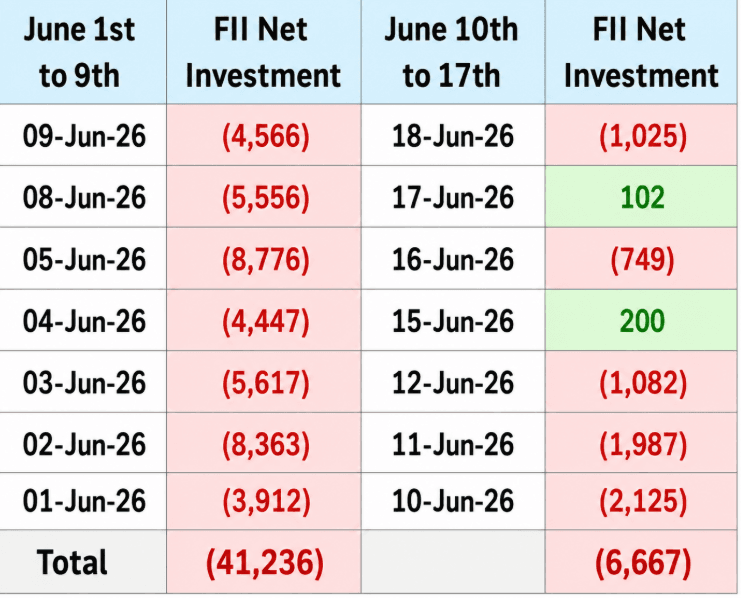
One of the reasons for that could be that while the easing of these global macroeconomic hurdles is overwhelmingly positive for corporate earnings visibility, this relief does not change domestic fundamentals.
There are continuing concerns on Elevated Valuations: particularly in the Midcap, Small cap, and Microcap segments—that remain high.
Another reason is that the overhang of an underperforming monsoon also has its impact on expected food inflation and on rural consumer demand growth.
A Hawkish Hold by the Fed also has its implications for a strengthening dollar and rising US interest rates as markets factor in the possibility of a Fed rate hike in this year. That could have implications for INR and the RBI monetary policy also.
Hence Investors could use this geopolitical relief rally to lean into high-quality earnings visibility rather than chasing speculative momentum.
About the author:
Sunil Subramaniam, Former Managing Director and CEO of Sundaram Mutual Fund, is among the most seasoned voices in India’s investment management industry, with a career spanning over four decades across banking, insurance, and asset management. Currently, he advises several investment firms and financial institutions on macroeconomic trends, market strategy and asset allocation among others. He also runs a YouTube channel, ‘Sense and Simplicity by Sunil’, where he breaks down complex market trends, macroeconomic developments, and investment strategies into accessible insights for retail investors.
Disclaimer: Any views, opinions, or investment-related information expressed by contributors on Databiztimes.com are solely their own and should not be construed as investment advice. Readers are advised to consult SEBI-registered or certified financial advisors before making any investment decisions.