

DBT Bureau
Pune, 13 May 2026
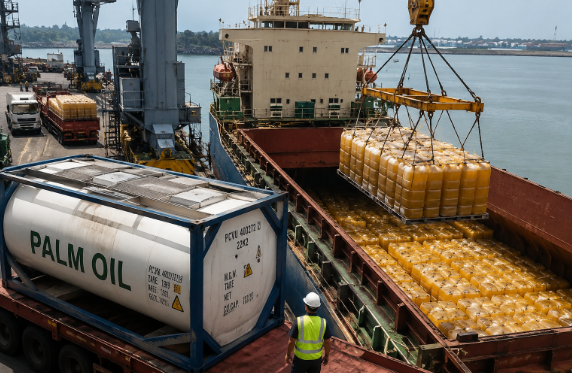
India’s palm oil imports declined 26% in April 2026 to a four-month low of 513,403 tonnes due to weak institutional demand and rising palm oil prices. Higher prices reduced palm oil’s competitiveness against soyoil and sunflower oil, prompting refiners to shift purchases toward alternative edible oils. Soyoil imports rose 25%, while sunflower oil imports surged 121%, lifting total vegetable oil imports by 10% to 1.31 million tonnes. Negative refining margins and lower consumption from restaurants amid cooking gas shortages also weighed on palm oil demand. The decline in Indian imports could pressure palm oil prices in Malaysia and Indonesia, according to latest report by Kedia Advisory.
Key Highlights
* India’s palm oil imports dropped 26% to a four-month low in April.
* Rising palm oil prices reduced its discount versus rival edible oils.
* Sunflower oil imports jumped 121%, while soyoil imports rose 25%.
* Weak demand from eateries and restaurants hurt palm oil consumption.
* Lower Indian buying may pressure Malaysian palm oil futures prices.
Palm oil prices remained under pressure after India’s imports declined sharply by 26% in April 2026 to 513,403 tonnes, the lowest level in four months. Weak institutional demand and rising palm oil prices reduced buying interest among refiners, who shifted purchases toward cheaper alternatives such as sunflower oil and soyoil. The narrowing price advantage of palm oil against competing edible oils significantly impacted import demand from the world’s largest vegetable oil buyer.
Supporting the bearish sentiment, imports of sunflower oil surged 121% to 434,240 tonnes, marking the highest level in 22 months, while soyoil imports increased 25% to 360,350 tonnes. The rise in alternative oil imports lifted India’s total vegetable oil imports by 10% to 1.31 million tonnes during April. Refiners reportedly remained cautious in increasing palm oil purchases as refining margins stayed negative due to elevated global prices.
Another major factor affecting demand has been reduced consumption from the food service industry. Cooking gas shortages across several regions impacted restaurants and eateries, leading to lower usage of palm oil in deep-fried food preparations such as snacks and street food items. This weaker institutional consumption further reduced procurement activity.
India primarily imports palm oil from Indonesia and Malaysia, and the decline in Indian demand could increase inventories in producing countries, potentially weighing on benchmark Malaysian palm oil futures in the near term.
Overall, weak demand and higher competing oil imports may continue pressuring palm oil prices, unless global price corrections revive buying interest from Indian refiners and food businesses.