

DBT Bureau
Pune, 17 Dec 2025
Zinc prices declined sharply, settling down 1.86% at ₹302.95, as sentiment weakened amid a surge in exchange inventories and caution ahead of key US economic data. LME zinc stocks jumped by 31,075 metric tons, a sharp 48% increase, taking total inventories to 95,550 tons and exerting immediate pressure on prices. Investor risk appetite also softened as markets awaited US data for clarity on the interest-rate outlook. In China, factory output growth slowed to a 15-month low in November, while new home prices continued to fall, keeping concerns around the property sector firmly in focus. Developer Vanke’s renewed efforts to secure bondholder support for debt repayment further highlighted sectoral stress. Despite near-term weakness, underlying fundamentals remain mixed. The ILZSG reported the global zinc market surplus narrowed to 20,300 tons in September from 32,700 tons in August, pointing to gradual tightening. Support also emerged from expectations of a potential Fed rate cut following soft US data and supply-side disruptions in China, where several zinc mines are scheduled for maintenance shutdowns in December, likely reducing concentrate availability. Shanghai Futures Exchange zinc inventories fell 12.3% week-on-week, while inventories outside China remain extremely low. From a technical perspective, the market is witnessing long liquidation, with open interest dropping 12.45% while prices fell by 5.75, indicating position unwinding. Zinc has immediate support at ₹300.9, and a break below could see prices testing ₹298.8. On the upside, resistance is placed at ₹306.8, with a sustained move above likely to test ₹310.6.
Market Analysis:
- Zinc trading range for the day is ₹298.8-₹310.6.
- Zinc prices dropped as LME zinc inventory increased by 31075 MT, up by 48% bring total to 95,550 mt.
- China’s factory output growth slowed to a 15-month low in November, while new home prices extended a decline.
- A zinc mine in Central China is planning a routine maintenance shutdown in December, resulting in fewer production days.
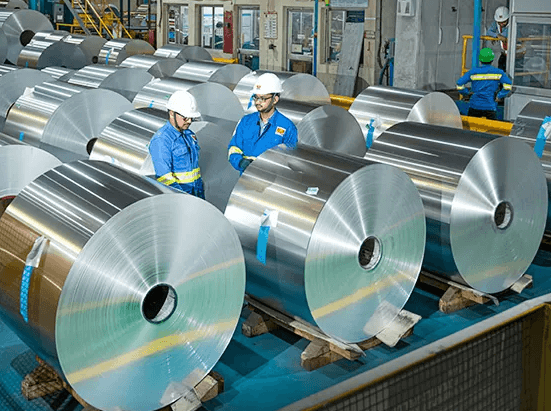
Aluminium prices edged marginally higher, settling up 0.04% at ₹280.2, supported by improving demand prospects and persistent concerns over tight global supply. Sentiment found support despite mixed signals from China, where aluminium production rose 2.5% year on year to 3.79 million tonnes in November, taking output for the first eleven months to 41.17 million tonnes. While higher production capped gains, inventories continued to trend lower. LME on-warrant stocks fell to 452,600 tonnes following fresh cancellations in Malaysia, while SHFE inventories declined 2.5% over the week, highlighting ongoing physical tightness. Supply-side risks remained a key focus. Australia’s South32 announced plans to place the Mozal aluminium smelter in Mozambique under care and maintenance by March due to unresolved power supply issues. Additional disruptions were reported in Europe, with one potline at Iceland’s Grundartangi smelter suspended following equipment failure. Reflecting tightening availability, global producers sought sharply higher premiums of $190–$203 per tonne from Japanese buyers for January–March shipments. On the outlook, views remain divided. ANZ raised its short-term aluminium price target to $2,900 per tonne, while Goldman Sachs expects prices to ease in 2026 on slowing demand growth and a potential surplus. From a technical perspective, the market is witnessing short covering, with open interest dropping 5.76% while prices gained 0.1. Aluminium has immediate support at ₹278.2, and a break below could test ₹276.2. On the upside, resistance is seen at ₹282, with a sustained move above likely to test ₹283.8.
Market analysis:
- Aluminium trading range for the day is ₹276.2-₹283.8.
- Aluminium gains supported by improving demand prospects and persistent concerns over tight global supply.
- LME data showed that on-warrant aluminium stocks in the LME-registered warehouses fell to 452,600 tons.
- China, is expected to approach its 45-million-ton annual cap, leaving limited room for further production growth.
Source: Kedia Stocks & Commodities Research Pvt. Ltd.