

Athira Sethu
Kochi, 12 Jan 2026
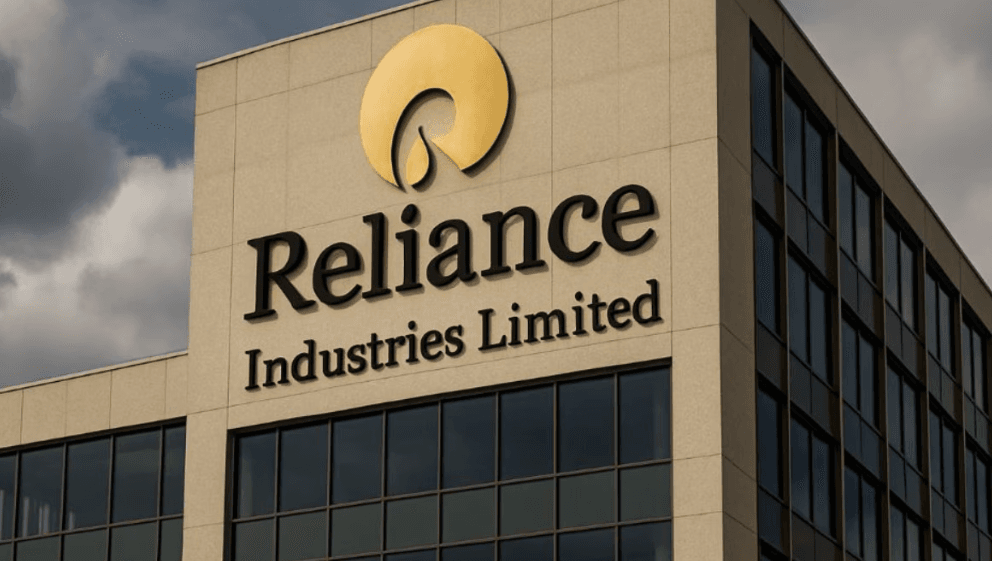
Reliance Industries has shelved its scheme for manufacturing lithium-ion battery cells in India for the moment, according to a Bloomberg report. This appears largely because the company could not source battery technology from China. This is an indication that large corporations in India are struggling with creating their own clean energy resources.
Reliance, under the leadership of Mukesh Ambani, wanted to begin manufacturing battery cells in the same year. For this, it was in talks with a company from China named Xiamen Hithiu Energy Storage Technology. Reliance wanted a licensing agreement with the Chinese firm regarding their battery cell technology. This conversation was not taken further since the Chinese company withdrew from it due to restrictions imposed on important tech exports by China itself.
Because of this challenge, Reliance has shifted its attention. It was only manufacturing battery cells. Now, Reliance is focusing on assembling battery energy storage systems, commonly abbreviated as BESS. These systems are huge containers that store electricity generated by renewable sources such as solar and wind energy.
China has become more restrictive on the export of clean-energy technology. The country wishes to preserve its edge in strategic industries. All this has more than ever complicated life for Indian companies hoping to locally make their supply of advanced batteries. Reliance’s experience illustrates just how much India, despite its ambitious targets, relies on stronger ties with China to meet its goal of carbon neutrality by 2070.
A Reliance spokesperson said that the plans of the company had not changed. The spokesperson added that battery systems, battery packs and battery cells remained part of Reliance’s long-term plans. However, the company did not comment on its talks with the Chinese firm.
Mukesh Ambani said earlier that Reliance’s battery gigafactory would go into production in 2026. Even though ceasing cell production does not ding Reliance’s finances for now, it will retard its green energy ambitions. Most of the income still comes from oil, retail, and telecom businesses for Reliance.
Reliance believes that making battery cells without proven Chinese technology would be very costly and risky. The company also considered technology from Japan, Europe, and South Korea, but those were found to be many times costlier.
Other major Indian groups such as the Adani Group and the JSW Group are facing the same issues. They are increasingly concentrating on assembling batteries rather than manufacturing full cells.
According to BloombergNEF estimates, the energy storage industry in India is forecasted to expand extremely rapidly to 87 gigawatts in 2035 from a very low level.