

DBT Bureau
Pune, 3 Jan 2026
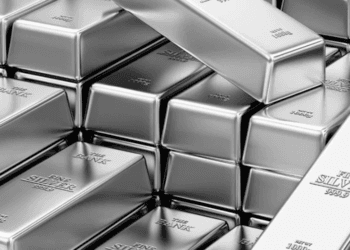
Silver prices staged a historic rally in 2025, rising from around ₹87,300 at the start of the year to highs ₹2,54,174 on MCX, translating into gains of over 180%. Such a move places the current cycle among the strongest silver rallies since 1979. The surge was fuelled by an extraordinary convergence of factors: heightened geopolitical tensions, accelerating de-dollarisation narratives, recession fears, aggressive ETF inflows, and structurally tight global supply conditions.
Unlike gold, silver carries a dual identity as both a precious and industrial metal. This distinction has become increasingly important. Industrial demand now accounts for nearly 56% of global silver consumption, with the solar photovoltaic sector alone absorbing over 240 million ounces in 2025. Rapid global solar capacity additions, electrification initiatives, and electric vehicle penetration have pushed silver demand into structurally higher territory. At the same time, mine supply has remained broadly stagnant near 810–820 million ounces, with nearly 72% of output generated as a by-product of base metal mining, limiting supply-side flexibility.
The investment channel further amplified the rally. Silver-backed ETFs recorded net inflows of nearly 95 million ounces in the first half of 2025, lifting total holdings above 1.13 billion ounces. This coincided with a sharp compression in the gold–silver ratio from above 90 to near 64, encouraging relative silver outperformance. Macro tailwinds also played a decisive role: three US rate cuts reduced real yields, while a nearly 10% year-on-year decline in the US Dollar Index improved affordability for non-dollar buyers.
Geopolitical risk premium remained elevated throughout the year. Persistent Russia–Ukraine tensions, uncertainty around Iran, and broader global debt concerns above USD 315 trillion reinforced silver’s appeal as a strategic and diversification asset. Regulatory actions, including higher margin requirements by CME Group, highlight the extent of speculative participation and underscore near-term volatility risks.
Conclusion
While the long-term outlook for silver remains constructive, the magnitude of the 2025 rally is unlikely to be repeated in 2026. Historically, parabolic advances in precious metals are followed either by price corrections or prolonged time consolidations. As speculative excess unwinds and FOMO-driven positioning cools, silver may undergo a corrective phase.
A dip toward the ₹1,50,000 (45$) region could emerge as a meaningful base, offering a healthier risk–reward setup for long-term investors. Industrial demand from solar, EVs and electronics remains intact, while central bank diversification trends and expectations of further monetary easing into 2026 continue to provide a supportive macro backdrop.
On the upside, ₹3,00,000 (90$) appears as an immediate resistance zone, where profit-taking and volatility could intensify. Therefore, 2026 is best approached as a year of consolidation within a broad range rather than relentless upside.
Strategy Takeaway
Long-term fundamentals for silver remain bullish, but traders and investors are advised to avoid chasing prices amid FOMO. Corrections and consolidations should be viewed as opportunities to rebuild strategic positions. Discipline, patience, and staggered accumulation near strong base zones are likely to outperform momentum chasing in the year ahead.
| Commodity | Trend | Support | Resistance |
|---|---|---|---|
| Silver ($) | After a pullback, rally will restart | $45 & $52 | $90 & $96.40 |
| MCX Silver | After a pullback, rally will restart | ₹1,50,000 & ₹1,70,000 | ₹3,00,000 & ₹3,25,000 |
(Disclaimer: This information is for educational purposes only. Please consult your financial advisor before taking positions in stocks)