Debasis Mohapatra
Bengaluru, 4 April 2026
FMCG sector is likely to face 1-2% margin erosion in the near-term owing to the rising raw material cost amid the raging Middle East conflict, brokerage firm- Axis Direct said in a report.
“The most acute (cost) pressure comes from packaging materials- PET, HDPE, and specialised laminates. With these inputs forming around 10–15% of the cost base, the sector is likely to witness 100–200 bps margin compression in the near term,” the report said.
It also said that while FMCG firms were resorting to calibrated price hikes (1–3%), passing on the full cost to consumers would be difficult, the report added.
The ongoing Iran versus US & Israel war has created serious disruption in supply chain of crude oil and LPG as movement along the Strait of Hormuz route remains restricted. Owing to supply shortage and international price hike of crude oil, key raw material prices like PP, PE and PVC have increased by 50-60%. Similarly, crude oil-linked inputs such as PET, HDPE, LAB and logistics costs have risen by 5-20%.
Moreover, edible oils prices remain elevated along with moderate inflation in milk and agri inputs.
According to Axis Direct, Hindustan Unilever and Dabur India face near-term margin pressure, while Nestle India remains relatively resilient on the back of its pricing power.
Paint Companies:
Paint companies face the maximum brunt of the rising crude oil prices as these firms rely heavily on crude derivative. According to the report, there has been a 50-60% cost increase in the raw materials used by the paint sector.
“Despite 6-8% price hikes, the sharp increase in input costs is expected to drive 300–500 bps margin compression, with limited ability to fully pass on costs in a competitive environment,” the Axis Direct report said.
Moreover, price hike by paint companies is likely to affect the urban demand, leading to delay in volume recovery.
According to the report, Asian Paints and Berger Paints India are likely to see maximum pressure owing to the sharp rise in input costs.
Quick Service Restaurants (QSR) Segment:
LPG supply disruption sits at the core of QSR segment’s concern. Apart from it, rise in edible oil prices, and increasing packaging cost are also impacting their profitability adversely.
“The QSR sector faces a dual shock—cost inflation and operational disruption, with about 60–65% dependence on LPG for cooking. Supply constraints and rising LPG prices, along with higher edible oil and packaging costs, are impacting store-level profitability,” the report by Axis Direct said.
According to the brokerage house, Jubilant FoodWorks is most exposed to LPG disruptions., while Westlife Foodworld seems relatively resilient.
Retail sector:
The report noted that cost inflation would dampen consumer demand, affecting the discretionary spending.
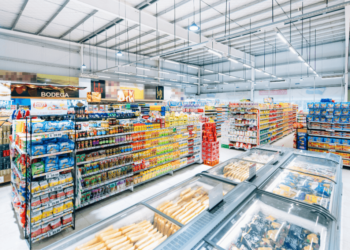
“The retail sector is witnessing an inflation-led demand slowdown, as higher fuel and product prices compress consumer purchasing power. This is driving downtrading towards essentials, while discretionary segments (apparel, lifestyle) face weaker demand,” the report noted.
Avenue Supermarts is relatively well-placed in the current environment, while Trent and V-Mart Retail are more exposed to a discretionary slowdown, the report added.
| Sector | Impact crude oil price hike |
| FMCG | High |
| Paints | Very high |
| QSR | High (LPG + Edible Oil) |
| Retail | Indirect |