


DBT Bureau
Pune, 2 April 2026
A latest commodities and macro market update from Geojit Investments highlights a rebound in gold prices driven by a softer U.S. dollar and improving geopolitical sentiment, while energy and industrial metals markets remain volatile amid Middle East tensions.
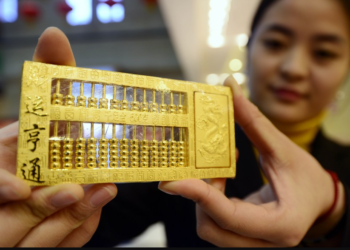
- Gold prices climbed to a near two week high, supported by a weaker U.S. dollar after President Donald Trump said the conflict with Iran could ease within weeks. The precious metals logged a monthly decline in March, pressured by high oil prices stoking inflation fears and expectations of a more hawkish monetary policy stance.
- Spot gold traded above USD 4700 per troy ounce, while spot silver traded around USD 74 per troy ounce.
- US Dollar index, a measure of greenback against six currency rivals, eased below 100 marks. Meanwhile, Indian rupee rebounded from its record low of 95 against the U.S. dollar.
- Crude oil prices slipped after remarks from the U.S. president about a possible end to the war in Iran eased market concerns over supply disruptions.
- Meanwhile, an oil tanker chartered by state owned QatarEnergy was struck by an Iranian cruise missile in Qatari waters today. Qatar said three missiles were launched from Iran, with two intercepted and the third hitting the Aqua 1 fuel oil tanker without causing casualties. The incident followed an Iranian attack a day earlier on a fully loaded crude tanker off Dubai that left the vessel ablaze.
- Aluminium prices hovered higher as markets priced in the risk of a more severe supply disruption following Iranian strikes over the weekend that impacted two of the Middle East’s major aluminium producers. Aluminium Bahrain, operator of the world’s largest single-site smelter, stated that it is evaluating the extent of the damage, while Emirates Global Aluminium confirmed that its plant sustained a “significant damage.”.
- Qatar Energy announced last week that the Iranian missiles that struck Qatar have caused a 17% reduction in the country’s liquefied natural gas export capacity.
- China’s official manufacturing PMI rose to 50.4 in March, beating expectations, posting its strongest reading in a year, and ending two consecutive months of contraction.