

DBT Bureau
Pune, 16 Feb 2026
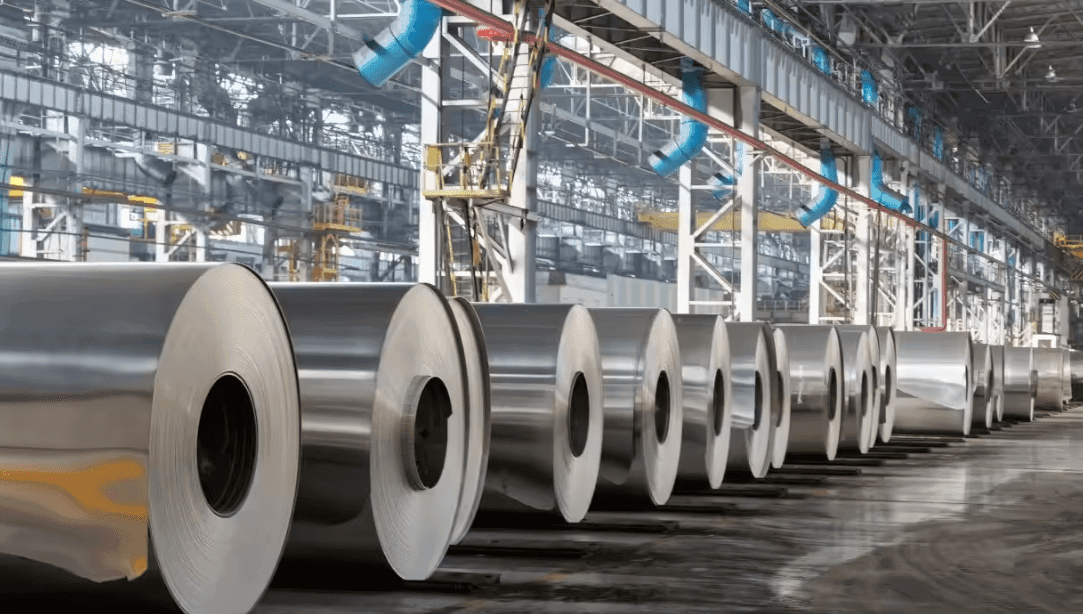
Aluminium rose 0.5% to settle at 309.25, supported by tightening supply conditions, particularly news that South32 will place its Mozambique smelter on care and maintenance next month after drought-related power shortages. The looming shutdown reinforced concerns over constrained global output. However, gains were capped by reports that U.S. President Donald Trump may scale back some steel and aluminium tariffs, a move that could ease supply flows into the U.S. and prompt additional metal to be released from LME warehouses. In China, smelters are operating close to the government’s capacity ceiling, while steep U.S. tariffs have already disrupted trade flows. Still, inventories on the Shanghai Futures Exchange climbed 21.3% last week, pointing to near-term supply pressure. On the demand side, optimism persists. Goldman Sachs raised its first-half aluminium price forecast to $3,150 per ton, citing low global inventories and power constraints in Indonesia. China’s December aluminium output reached a record 3.87 million tons, up 2.9% year-on-year, while manufacturing activity improved, with PMI rising to 50.3. According to the International Aluminium Institute, global primary output edged up 0.5% in December.
Copper edged up 0.27% to settle at 1,209.5, supported by optimism around global manufacturing, the green energy transition, and AI-led demand growth. Ongoing supply constraints at major mines also lent support. However, gains were capped by a broader risk-off mood in global markets and soft physical demand in China ahead of the February 15 holiday. Spot premiums in China slipped to a 60 yuan per ton discount, while the Yangshan import premium held at a relatively subdued $34 per ton, reflecting cautious buying interest. SHFE warehouse inventories rose 9.5% week-on-week, adding to near-term pressure. On the supply side, Chilean output remained weak. Production at Collahuasi fell 12.1% year-on-year in December, while Escondida dropped 16.5%. Peru also reported an 11.2% annual decline in November output. Despite this, the International Copper Study Group reported a 94,000-ton surplus in November, with the market remaining in surplus for the year to date. China’s refined production continues to expand, with December output up 9.1% year-on-year, even as unwrought imports for 2025 fell 6.4%.
Overall, while tightening supply and long-term demand from energy transition and manufacturing trends continue to underpin aluminium and copper prices, rising inventories, surplus signals, and cautious near-term demand are likely to keep price gains measured in the short term.
Disclaimer: Any views, opinions, or investment-related information expressed by contributors on Databiztimes.com are solely their own and should not be construed as investment advice. Readers are advised to consult SEBI-registered or certified financial advisors before making any investment decisions.
Source: Kedia Advisory