

DBT Bureau
Pune, 13 Dec 2025
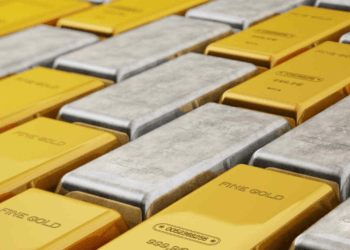
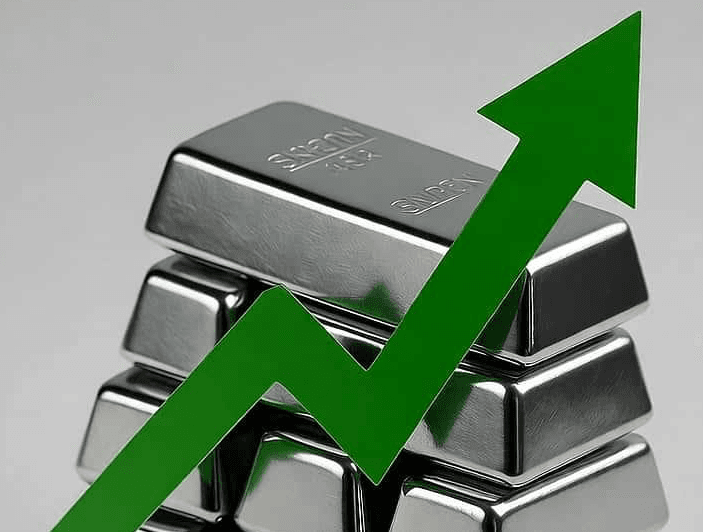
Kedia Advisory released its latest silver outlook, highlighting record prices driven by a deepening global supply deficit and sustained industrial demand.
- Silver surged to an all-time high of ₹2,01,000 on MCX, driven by deepening concerns of a multi-year structural deficit. London silver inventories have dropped sharply since their 2021 peak, touching a new low in 2025, reflecting tightening physical liquidity.
- China’s newly announced silver export restrictions for 2026 have accelerated global stockpiling as buyers rush to secure metal ahead of reduced outbound supply.
- Mine production and recycling have remained flat for over a decade, while industrial demand—from solar PV, electronics, EVs, and semiconductors—continues to surge.
- The silver market is expected to register its fifth consecutive annual deficit in 2025, estimated at 125 million oz, taking the cumulative shortfall since 2021 to nearly 800 million oz.
- The Federal Reserve’s recent 25 bps rate cut to 3.50%–3.75% keeps the door open for more easing, though Powell signaled a high threshold for additional cuts.
- Inventories at the Shanghai Futures Exchange fell to their lowest since 2015, while volumes on the Shanghai Gold Exchange dropped to a nine-year low.
- China exported over 660 tonnes of silver in October, the highest on record, part of which moved to London to ease the severe supply squeeze.
- Borrowing costs for silver remain elevated in London, underscoring continued liquidity stress even after large inflows from China.
- Market participants are on alert after silver was added to the US Geological Survey’s critical minerals list, raising the possibility of new US tariffs or strategic supply measures.
- London vault silver holdings stood at 27,187 tonnes, up 3.5% month-on-month, while gold holdings increased 0.6% to 8,907 tonnes, according to LBMA data.
Silver prices sustaining above ₹188,000 remain constructive, opening the path for an upside move toward ₹2,10,000, followed by ₹2,15,000. However, a sustained break below ₹188,000 may trigger a decline toward ₹1,75,000. Traders should remain cautious, as a corrective decline of 15–18 percent cannot be ruled out at current elevated levels.